

Delicious Sugar-Free & Low-Carb Menu Ideas for a Healthy Diet
Discover delicious sugar-free and low-carb menu ideas that make healthy eating enjoyable! Transform your meals with flavors that satisfy your cravings.
Understanding the Benefits of a Sugar-Free and Low-Carb Diet
Adopting a sugar-free and low-carb diet can be a transformative experience, not only for your waistline but also for your overall health. One of the most significant benefits of reducing sugar and carbohydrates is the stabilization of blood sugar levels. By avoiding sugar spikes and crashes, you can maintain steady energy levels throughout the day, reducing the risk of diabetes and insulin resistance. This can lead to improved mood, better concentration, and a more consistent performance in daily activities.
Another compelling advantage is weight management. Carbohydrates, especially refined ones, are often calorie-dense and can contribute to weight gain when consumed in excess. By cutting down on carbs, you not only reduce your overall calorie intake but also encourage your body to burn stored fat for energy. This process, known as ketosis, can accelerate weight loss and help you achieve your fitness goals more efficiently. Additionally, a low-carb diet can help decrease hunger and cravings, making it easier to stick to a healthy eating plan.
Moreover, a sugar-free and low-carb diet can have a positive impact on heart health. High sugar intake is associated with an increased risk of heart disease due to factors like high blood pressure, inflammation, and high triglyceride levels. By opting for a diet low in sugar and carbs, you can lower these risk factors, potentially reducing the likelihood of heart-related issues. Overall, the benefits of this dietary approach extend far beyond weight loss, contributing to a healthier, more vibrant life.
Key Ingredients for a Sugar-Free and Low-Carb Menu
Creating a delicious and satisfying sugar-free and low-carb menu begins with choosing the right ingredients. One of the cornerstones of this diet is incorporating plenty of non-starchy vegetables. Vegetables like spinach, broccoli, cauliflower, and zucchini are low in carbs but high in essential vitamins, minerals, and fiber. They add bulk to your meals, helping you feel full and satisfied without the need for high-carb foods.
Protein is another crucial component of a low-carb diet. Lean meats such as chicken, turkey, and fish provide high-quality protein without the excess fat found in processed meats. Eggs are also an excellent source of protein and can be used in various dishes throughout the day. For those who prefer plant-based options, tofu, tempeh, and legumes can be great alternatives, though it’s important to monitor their carb content.
Healthy fats are equally important in a sugar-free and low-carb diet. Foods like avocados, nuts, seeds, and olive oil not only add flavor to your meals but also provide essential fatty acids that support brain function and overall health. Dairy products such as cheese and Greek yogurt can also be included, offering a good balance of protein and fat. By focusing on these key ingredients, you can create a variety of delicious and nutritious meals that align with your dietary goals.
Breakfast Ideas: Energizing Start to Your Day
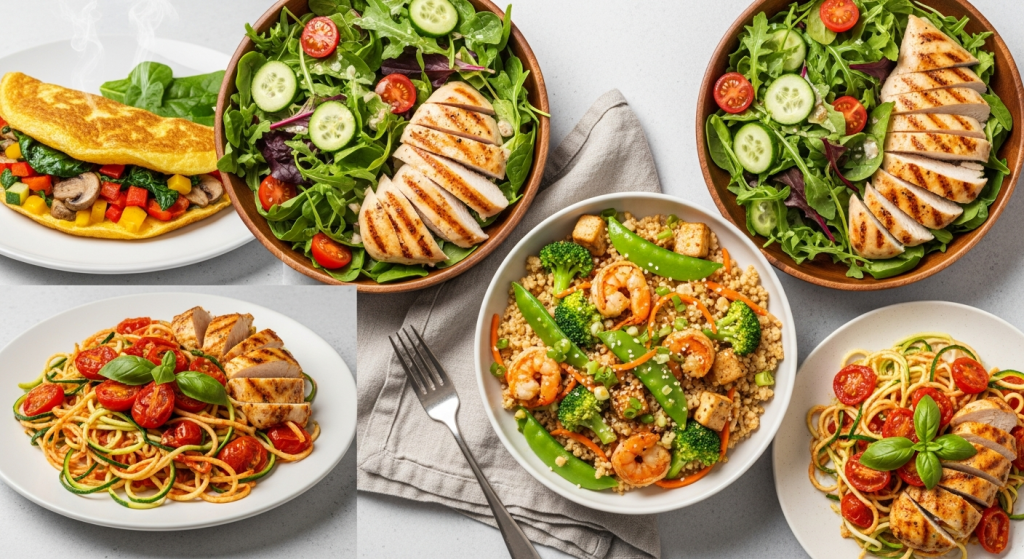
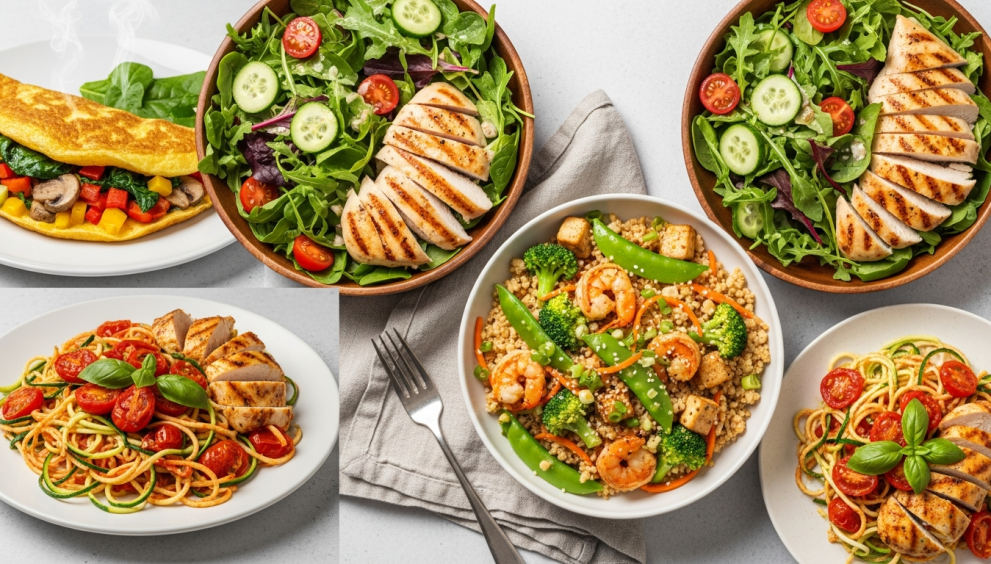
Starting your day with a nutritious, low-carb breakfast can set the tone for healthy eating throughout the day. One popular option is a vegetable omelet. Packed with protein and fiber, an omelet made with eggs, spinach, bell peppers, and mushrooms can provide sustained energy without the mid-morning slump. Adding a sprinkle of cheese or avocado slices can make it even more satisfying.
Smoothies can also be a quick and easy breakfast solution. A low-carb smoothie might include unsweetened almond milk, a handful of spinach, a scoop of protein powder, and a few berries. Berries are lower in carbs compared to other fruits and can add a natural sweetness to your smoothie. For an extra boost of healthy fats, consider adding a tablespoon of chia seeds or flaxseeds.
For those who prefer a grab-and-go option, consider making a batch of egg muffins. These can be prepared in advance and stored in the refrigerator for a quick breakfast throughout the week. Simply whisk together eggs, chopped vegetables, and your choice of meat or cheese, then pour the mixture into a muffin tin and bake. These portable, low-carb muffins are perfect for busy mornings when you need a nutritious meal in a hurry.
Lunch Options: Satisfying and Nutritious Choices
Lunchtime can be a challenge when trying to stick to a low-carb diet, especially if you’re used to sandwiches and wraps. However, there are plenty of satisfying alternatives that can keep you on track. One option is a hearty salad that incorporates a variety of textures and flavors. Start with a base of leafy greens like kale or arugula, then add protein such as grilled chicken, tuna, or boiled eggs. Top it off with crunchy vegetables like cucumbers and bell peppers, and finish with a healthy fat like avocado or a drizzle of olive oil.
Another excellent low-carb lunch option is a lettuce wrap. Instead of using bread or tortillas, use large lettuce leaves to wrap your favorite fillings. You can create a variety of wraps by combining ingredients like turkey slices, cheese, tomatoes, and mustard. For a more substantial meal, consider adding a side of vegetable sticks with a dip made from Greek yogurt and herbs.
Soup is also a fantastic choice for a low-carb lunch. A homemade vegetable soup with a clear broth base can be both filling and nutritious. Include a variety of low-carb vegetables like zucchini, spinach, and tomatoes, and add some protein in the form of chicken or beans. This type of soup can be made in large batches and stored in the refrigerator or freezer for convenient, quick meals throughout the week.
Dinner Recipes: Flavorful Low-Carb Meals for the Whole Family
Dinner is often the main meal of the day, and it’s essential to have delicious, low-carb options that the whole family will enjoy. One popular dish is cauliflower rice stir-fry. By substituting traditional rice with grated cauliflower, you can significantly reduce the carb content while still enjoying a flavorful meal. Sauté the cauliflower with a mix of colorful vegetables and your choice of protein, such as shrimp or tofu, and season with soy sauce or coconut aminos for a tasty, low-carb dinner.
Zucchini noodles, or “zoodles,” are another great alternative to carb-heavy pasta dishes. You can easily make zoodles using a spiralizer and then sauté them with garlic, olive oil, and cherry tomatoes. For added protein, top with grilled chicken or meatballs, and finish with a sprinkle of Parmesan cheese. This dish is not only low in carbs but also quick to prepare, making it perfect for busy weeknights.
If you’re in the mood for something more indulgent, consider making a low-carb lasagna using layers of eggplant or zucchini instead of pasta. Alternate the vegetable layers with a rich meat sauce and plenty of cheese to create a comforting, satisfying meal. This dish can be assembled ahead of time and baked just before serving, making it a convenient option for family dinners or gatherings.
Healthy Snacks: Guilt-Free Treats to Keep You Full
Snacking can be an essential part of a low-carb diet, especially when you need a quick energy boost between meals. One excellent snack option is a handful of nuts. Almonds, walnuts, and macadamia nuts are low in carbs but high in healthy fats and protein, making them a filling and nutritious choice. Pair them with a piece of cheese for added flavor and satisfaction.
Vegetable sticks with dip are another great option for a low-carb snack. Slice up vegetables like celery, cucumber, and bell peppers, and pair them with a dip made from Greek yogurt, avocado, or hummus. This combination provides a satisfying crunch and a variety of nutrients without the extra carbs.
For a sweet treat that won’t derail your low-carb diet, consider making your own energy balls. Combine ingredients like almond flour, unsweetened coconut flakes, and a sugar-free sweetener like stevia or erythritol. Add a bit of almond butter and roll the mixture into small balls. These energy balls can be stored in the refrigerator for a quick, grab-and-go snack that satisfies your sweet tooth without the added sugar.
Meal Prep Tips for a Sugar-Free and Low-Carb Lifestyle
Meal prepping is a powerful tool for anyone committed to a sugar-free and low-carb lifestyle. By dedicating a few hours each week to preparing meals in advance, you can ensure that you always have healthy options on hand, reducing the temptation to reach for high-carb, sugary foods. Start by planning your meals for the week, including breakfast, lunch, dinner, and snacks. Make a detailed shopping list to ensure you have all the necessary ingredients.
Batch cooking is a time-efficient way to prepare multiple meals at once. For example, you can cook a large pot of vegetable soup or chili and portion it into individual containers for easy lunches or dinners. Similarly, grilled chicken breasts or roasted vegetables can be cooked in bulk and used in various dishes throughout the week. Store these items in airtight containers in the refrigerator or freezer to keep them fresh.
Another helpful tip is to invest in quality storage containers. Having a variety of sizes and styles can make it easier to organize your prepped meals and snacks. Consider using clear containers so you can easily see what’s inside, and label them with the date to keep track of freshness. By taking the time to meal prep, you can simplify your low-carb lifestyle and ensure that you always have delicious, healthy options available.
Common Mistakes to Avoid on a Sugar-Free and Low-Carb Diet
While a sugar-free and low-carb diet can offer numerous health benefits, there are common mistakes that can hinder your progress. One of the most frequent errors is not consuming enough fiber. Low-carb diets often focus on protein and fats, but it’s essential to include fiber-rich vegetables and seeds to support digestive health and prevent constipation. Aim to incorporate a variety of non-starchy vegetables and consider adding chia seeds or flaxseeds to your meals.
Another common mistake is relying too heavily on processed low-carb products. While there are many low-carb snacks and meal replacements available, they can sometimes be high in artificial ingredients and unhealthy fats. It’s important to prioritize whole, unprocessed foods whenever possible. This approach not only ensures better nutrition but also helps you avoid hidden sugars and carbs that can sabotage your diet.
Lastly, many people overlook the importance of hydration. Drinking enough water is crucial for overall health and can help alleviate common side effects of a low-carb diet, such as headaches and fatigue. Aim to drink at least eight glasses of water a day, and consider incorporating electrolyte-rich beverages like coconut water if you’re engaging in intense physical activity. By avoiding these common mistakes, you can maximize the benefits of your sugar-free and low-carb diet.
Success Stories: Real-Life Transformations on a Low-Carb Diet
Hearing about the real-life transformations of individuals who have adopted a sugar-free and low-carb diet can be incredibly motivating. Take Sarah, for example. After struggling with her weight for years and experiencing frequent energy crashes, she decided to cut out sugar and reduce her carb intake. Within a few months, Sarah not only lost 30 pounds but also reported feeling more energetic and focused than ever before. She credits her success to meal prepping and finding creative ways to make her favorite dishes low-carb.
Another inspiring story is that of Mark, who was diagnosed with type 2 diabetes. Determined to manage his condition without relying solely on medication, Mark switched to a low-carb, sugar-free diet. By eliminating sugary foods and focusing on lean proteins and healthy fats, he was able to stabilize his blood sugar levels and reduce his reliance on insulin. Mark’s experience underscores the potential health benefits of this dietary approach, particularly for those dealing with metabolic disorders.
Finally, consider the story of Laura, a busy mother of three who struggled to find time for healthy eating. After learning about the benefits of a low-carb diet, she started meal prepping and incorporating more vegetables and lean proteins into her family’s meals. Not only did Laura lose weight and gain more energy, but her entire family began to eat healthier as well. These success stories highlight the transformative potential of a sugar-free and low-carb diet, offering inspiration for anyone looking to improve their health.
Conclusion: Embracing a Healthier Lifestyle with Delicious Options
Embracing a sugar-free and low-carb diet doesn’t mean sacrificing flavor or satisfaction. With a wide variety of delicious menu ideas, you can enjoy nutritious meals that support your health goals. From energizing breakfasts and satisfying lunches to flavorful dinners and guilt-free snacks, there’s no shortage of options to keep your taste buds happy and your body nourished.
By understanding the benefits of a sugar-free and low-carb diet and incorporating key ingredients, you can create meals that are both delicious and nutritious. Meal prepping can simplify your lifestyle, ensuring that you always have healthy options on hand. Avoiding common mistakes and staying hydrated can further enhance your success, while real-life transformations offer inspiration and motivation.
Ultimately, a sugar-free and low-carb diet can lead to improved health, increased energy, and a greater sense of well-being. Whether you’re looking to lose weight, manage a health condition, or simply feel better, this dietary approach offers a sustainable and enjoyable way to achieve your goals. So why wait? Start exploring these delicious sugar-free and low-carb menu ideas today and take the first step towards a healthier, more vibrant life.

Cakpras Penyedia layanan Website dan SEO berkualitas. Menghasilkan lebih banyak traffict, meningkatkan penjualan